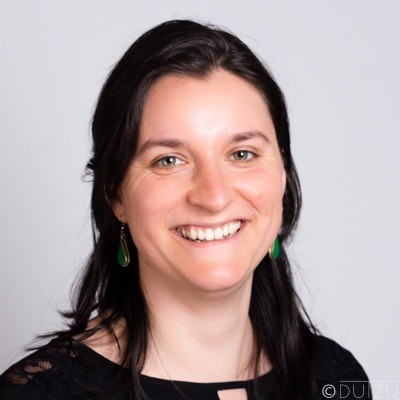
I am an interdisciplinary scientist with dual expertise in experimental biology and computational analysis, focusing on the cellular and molecular mechanisms that drive tumor behavior and therapeutic response.
My scientific journey began with a specialization in advanced imaging techniques, developing and applying non-invasive, single-cell resolution approaches to track tumor and therapeutic cell dynamics in vivo. During my PhD with Prof. Jeronimo Blanco (CSIC-ICCC, Barcelona), I investigated cellular therapeutic vehicles against brain tumors, earning my doctorate in 2012 with “cum laude” distinction. In 2013, I joined Prof. Jacco van Rheenen’s group (Hubrecht Institute, The Netherlands), where I studied how surgical interventions influence the progression of brain cancer using intravital microscopy.
Realizing that the field of imaging research was often hampered by the lack of tools to extract meaningful information from the data, I started to specialize in the development of new computational methods for the analysis of complex imaging data. In 2017, I joined the group of Dr. Anne Rios (Princess Máxima Center, The Netherlands), where I focused on the development of computational techniques to study cellular behavior and perform large-scale tissue phenotyping in order to understand and improve the functionality of cell therapies against cancer. One of the highlights of my recent research was the development of a novel methodological approach that integrates single cell sequencing and single cell spatio-temporal 3D imaging (BEHAV3D) of T cell cancer immunotherapy targeting patient-derived tumor organoids. Confirming the relevance of this work, I have was awarded the Jon van Rood award for the best paper of 2022 that significantly contributed to the field of cellular transplantation. It should be noted that this scientific contribution is not an isolated impact and has led to numerous collaborations with international and national academic groups and industrial partners (HubOrganoid Merck).
In 2023 I was granted a tenure track position by the “Programa de Atraccion de Talento de la Comunidad de Madrid” allowing me to start my independent research group at the Instituto de Investigaciones Biomedicas Sols-Morreale (IIBM), where I am focused on the development of analytical approaches for biomedical imaging, integration of different data types to discover biological patterns in the context of tumor progression and immunotherapy targeting. Moreover, I was granted the prestigious Beca Leonardo by the Fundacion BBVA to pursue my work in the field of artificial intelligence (AI) application to imaging. As part of my institutional responsibilities, I serve as an ambassador for the CSIC’s Computational Biology and Bioinformatics Connection, and I am a member of the Internationalization Committee at the IIBM.
I am deeply committed to democratizing access to AI tools for biomedical research. To this end, I co-developed user-friendly data analysis tools and step-by-step protocols tailored for researchers with no coding experience, promoting reproducibility and wider adoption of deep learning tools.
Throughout my career, I have taken part in various teaching and training activities, including leading seminars and workshops such as those at the European Molecular Imaging Meeting. I also engage in scientific outreach through school presentations, contributions to written media (La Vanguardia, El Espanol, etc), and occasional participation in radio programs (A Golpe de Bit and En la Cresta de la Onda). In 2021, I was honored with the Scientific Art Prize for a short scientific narrative that was beautifully transformed into a captivating graphical representation as an award. And in 2023 I won the second prize for Best Scientific Image at the ASEICA 40th conference.
In short, my interdisciplinary expertise drives research in translational oncology and strengthens the connection between biological researchers and computational scientists, unlocking our collective potential to advance life sciences knowledge.